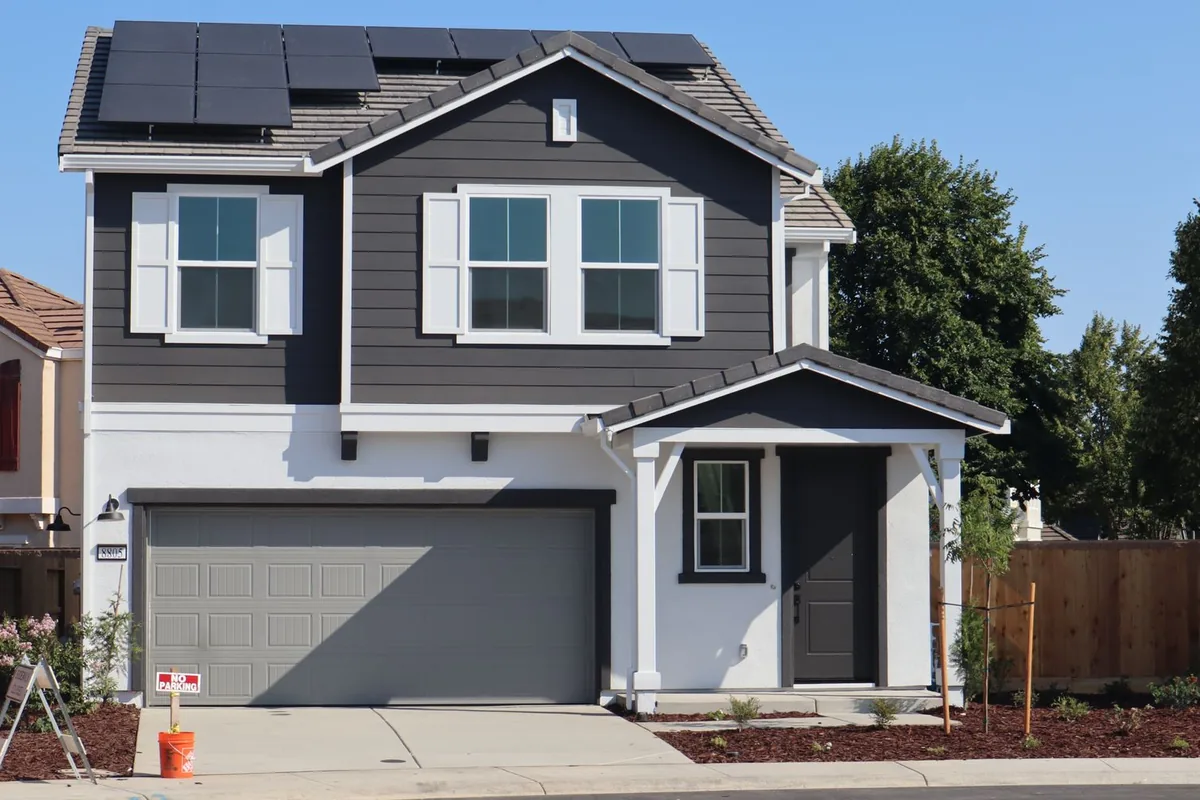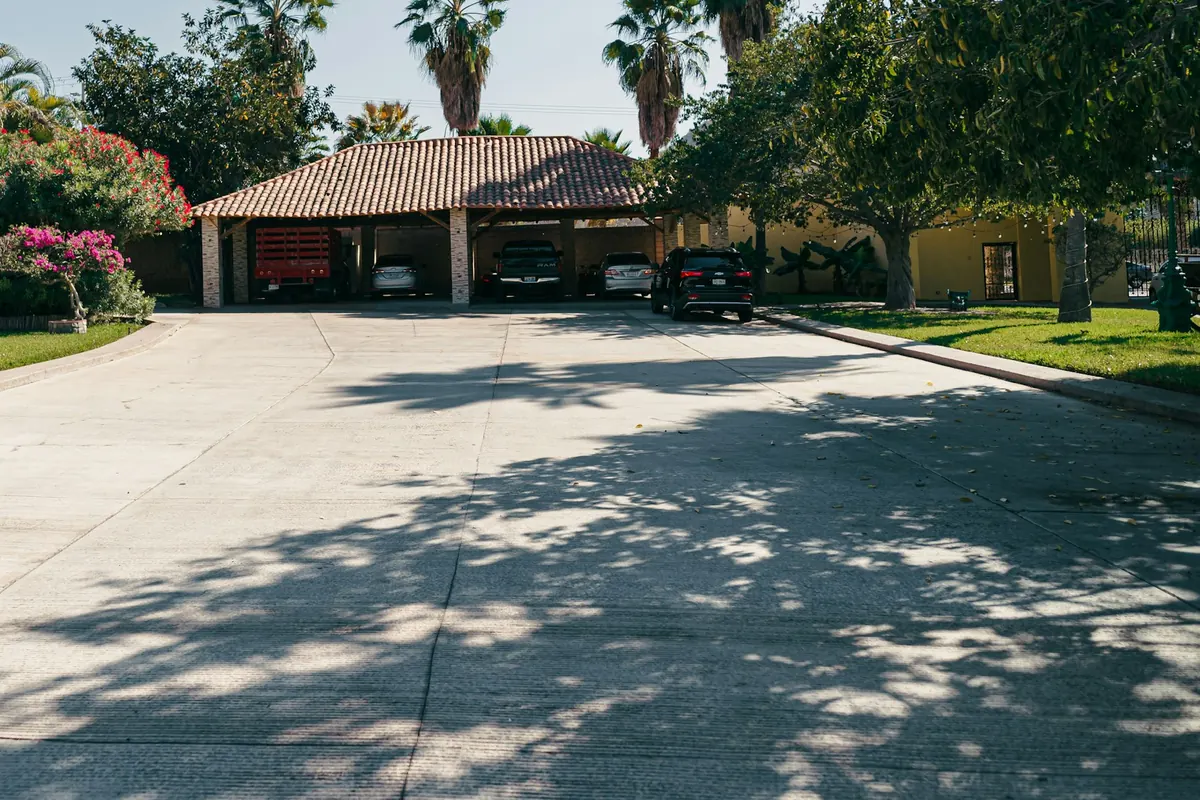
Driveway extensions in Murrieta CA: what the lot allows
Widening a driveway is mostly a layout question, and three City rules set the edges before the concrete does. In the single-family zones at least 25 percent of the front yard has to stay landscaped. The approach at the curb can be 12 to 30 feet wide, with 20 feet of full-height curb between two driveways on one frontage. And the edge of an apron has to stay 5 feet from the property line, a hydrant or a utility pole. Inside those limits, the common extensions are:
- A strip along one side of the driveway for a third car, tied into the old slab.
- A side-yard pad behind a gate for an RV, a boat or a work trailer.
- A wider approach at the curb, rebuilt under an encroachment permit, when the new lane needs it.
- A turnaround or parking pad on a long hillside driveway.
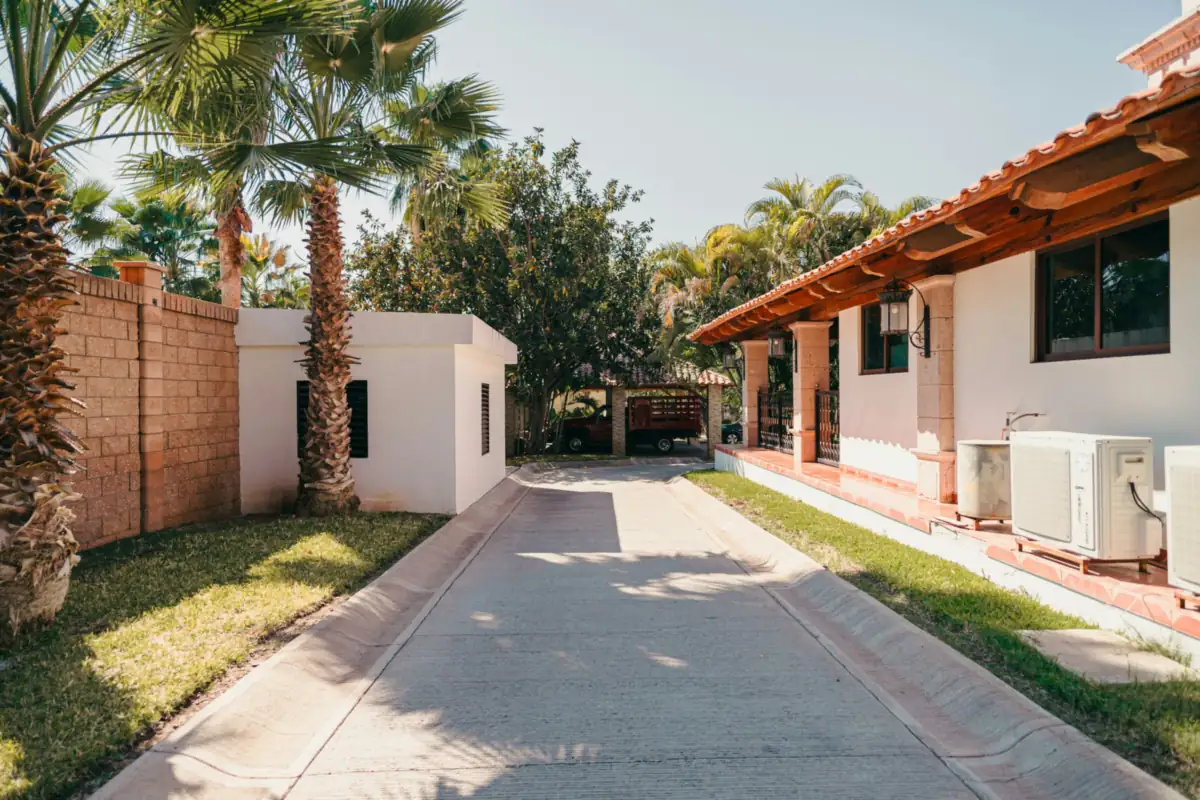
Can I park my RV on my property in California?
It depends on the city, and in Murrieta the answer is yes, in the right place. The City's RV information bulletin and fact sheet say an RV can be kept anywhere on the property, side and rear yards included, as long as it is screened by an approved fence or wall; not within the front yard setback, which they spell out as the driveway or the front of the house; and not on a public street for more than two consecutive days (Municipal Code 10.44.020.A). Access matters as much as the parking spot: an RV may only reach the yard through a permitted driveway opening, and driving over the curb or building an unpermitted ramp are listed as unlawful.
| Question | Rule | Source |
|---|---|---|
| Where can the RV be kept? | Side or rear yard, screened by an approved fence or wall | IB-229 (2018); IB-164 (2024) |
| Can it stay on the driveway? | No, not within the front yard setback | IB-164 |
| Street parking | No more than two consecutive days | MMC 10.44.020.A |
| Getting it to the yard | Through a permitted driveway opening only | IB-229; MMC 15.54.040 |
| New or wider opening | Encroachment permit, Engineering (951) 461-6077 | IB-164 |
| Fence over 6 ft | Building permit | IB-131 |
| RV shade structure | Permit over 120 sq ft; Development Plan Permit if over 25% of the house floor area or 500 sq ft | IB-229 |
City of Murrieta Information Bulletins 229 (RV Access and Storage, November 2018), 164 (Fact Sheet RV Structures, May 2024) and 131 (Permits Required, May 2024). Questions: Zoning Counter (951) 461-6061.
Building a concrete RV pad that lasts
Thickness, steel and base
A motorhome puts far more weight on a few square feet of tire than a car, so an RV pad is poured 5 to 6 inches thick with a rebar grid on a compacted base, and on Murrieta's clay pockets the base goes deeper. At 6 inches the joints can sit farther apart, up to about 15 feet, so a 10 by 40 foot pad divides into three panels of about 13 feet.
Gate, slope and cover
The pad runs from the driveway or a permitted curb opening to a gate in the side-yard fence, falls slightly toward the street or a yard drain so water doesn't run against the house, and leaves the setbacks clear for any RV cover the owners add later. Cars can use new concrete after about a week; the RV waits about four.
Concrete RV pad size and cost
The size most often poured for a fifth-wheel or motorhome is 12 by 45 feet, and concreteslabcost.com's October 2026 model prices that pad at $4,390 to $10,500 installed, at 6 inches with rebar on a 6 inch stone base. Measure the RV with the slide-outs open and add room to walk around it before picking a size.
| Pad | Often poured for | Low to high | Typical |
|---|---|---|---|
| 10 x 40 (400 sq ft) | Travel trailer | $3,340 to $7,770 | $4,920 |
| 12 x 45 (540 sq ft) | Fifth-wheel or motorhome | $4,390 to $10,500 | $6,460 |
| 14 x 55 (770 sq ft) | Large motorhome or toy hauler | $6,120 to $14,010 | $8,900 |
| 14 x 65 (910 sq ft) | Large motorhome plus a car | $7,180 to $16,150 | $10,390 |
Swipe sideways to see every column.
concreteslabcost.com concrete RV pad cost model (national wages, October 2026): 4,000 PSI concrete, #4 rebar at 18 in each way, 6 in crushed-stone base, broom finish. Excludes hookups, permits and excavation.
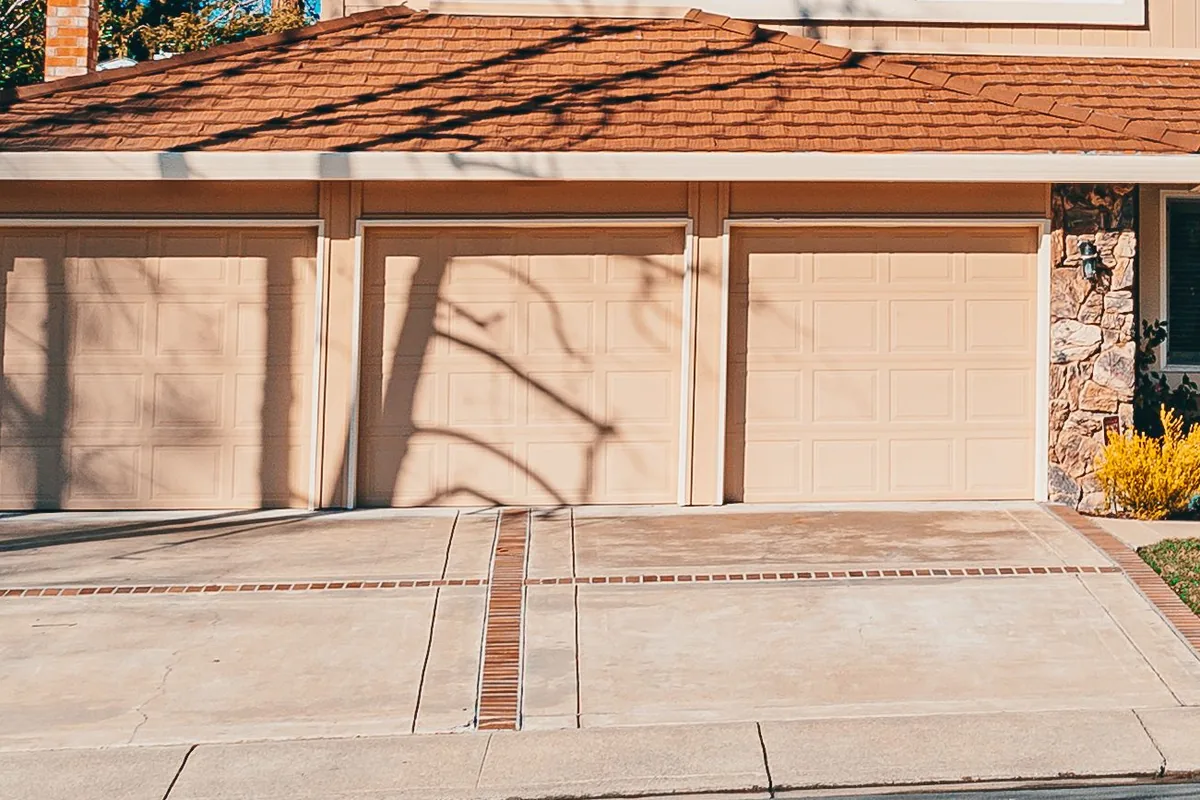
Extension and RV pad prices
| Job | Price | Source |
|---|---|---|
| RV pad, 200 to 700 sq ft | $1,200 to $8,400 | HomeGuide slab guide |
| Driveway concrete at 4 in | $6 to $15 per sq ft | HomeGuide driveway guide |
| Driveway concrete at 6 in | $8 to $20 per sq ft | HomeGuide driveway guide |
| New or wider approach | $1,530 to $4,320 | HomeAdvisor apron range |
| Murrieta encroachment permit, fixed lines | $649.05 | City FY 2026/27 |
HomeGuide 2026 slab and driveway cost guides; HomeAdvisor concrete driveway guide (June 2026); City of Murrieta Comprehensive User Fee Schedule FY 2026/27. Small extensions carry a minimum, so compare them with the pad rows on the slab cost page.
How an extension or RV pad gets added
- 1Check the lot against the rules
Measure the front yard so 25 percent stays landscaped, confirm the approach stays within 30 feet and 5 feet from the property line, and plan where an RV would sit behind a fence or wall.
- 2Permits and approvals
HOA architectural approval where required, an encroachment permit if the curb opening changes, and a building permit for a fence over 6 feet or an RV cover over 120 square feet.
- 3Saw-cut and dig
The existing driveway edge is saw-cut straight, sprinkler heads and irrigation lines in the way are capped or rerouted to the new edge, the turf or gravel is removed, and the pad area is dug to firm ground and rebuilt with compacted base.
- 4Tie in and pour
Dowels or an isolation joint tie the new section to the old, a rebar grid goes in for vehicle loads, and the concrete is poured at 5 to 6 inches for an RV.
- 5Cure before the weight
Cars can use the new concrete after about a week; RVs and loaded trailers wait about 28 days.