Concrete slabs and pads in Murrieta CA: what they hold
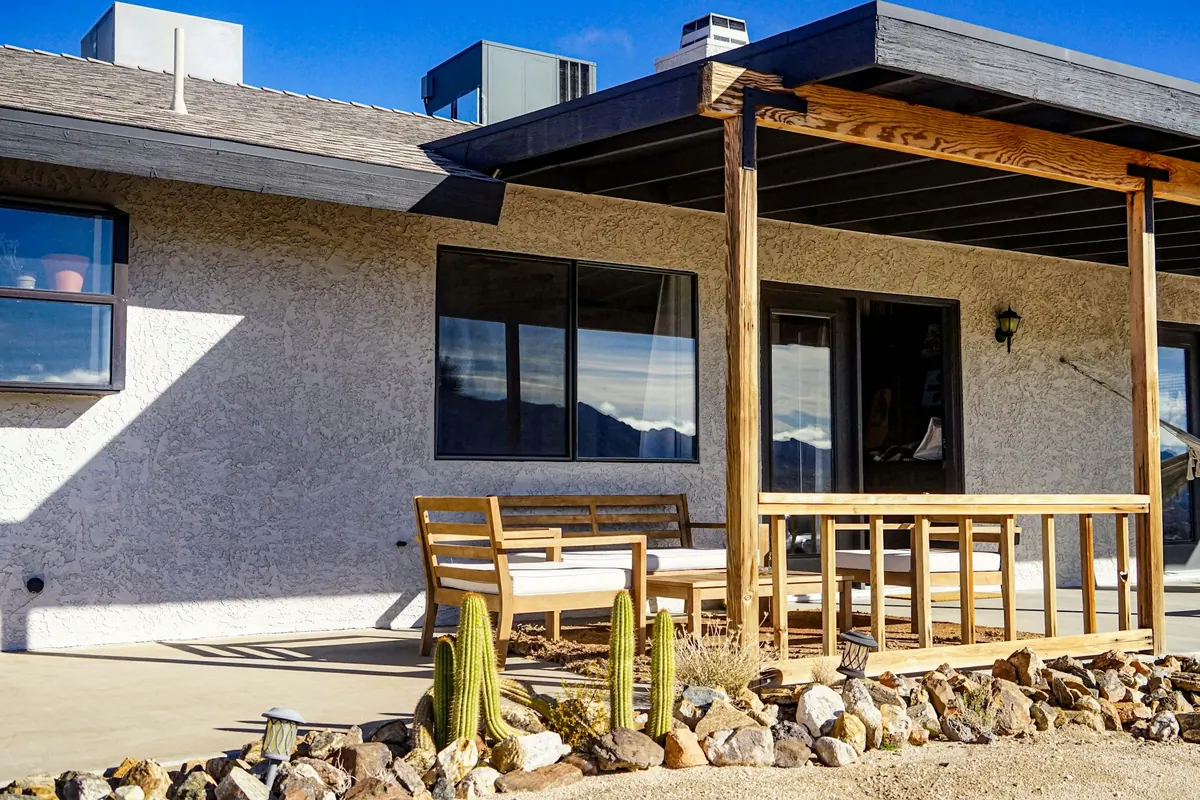
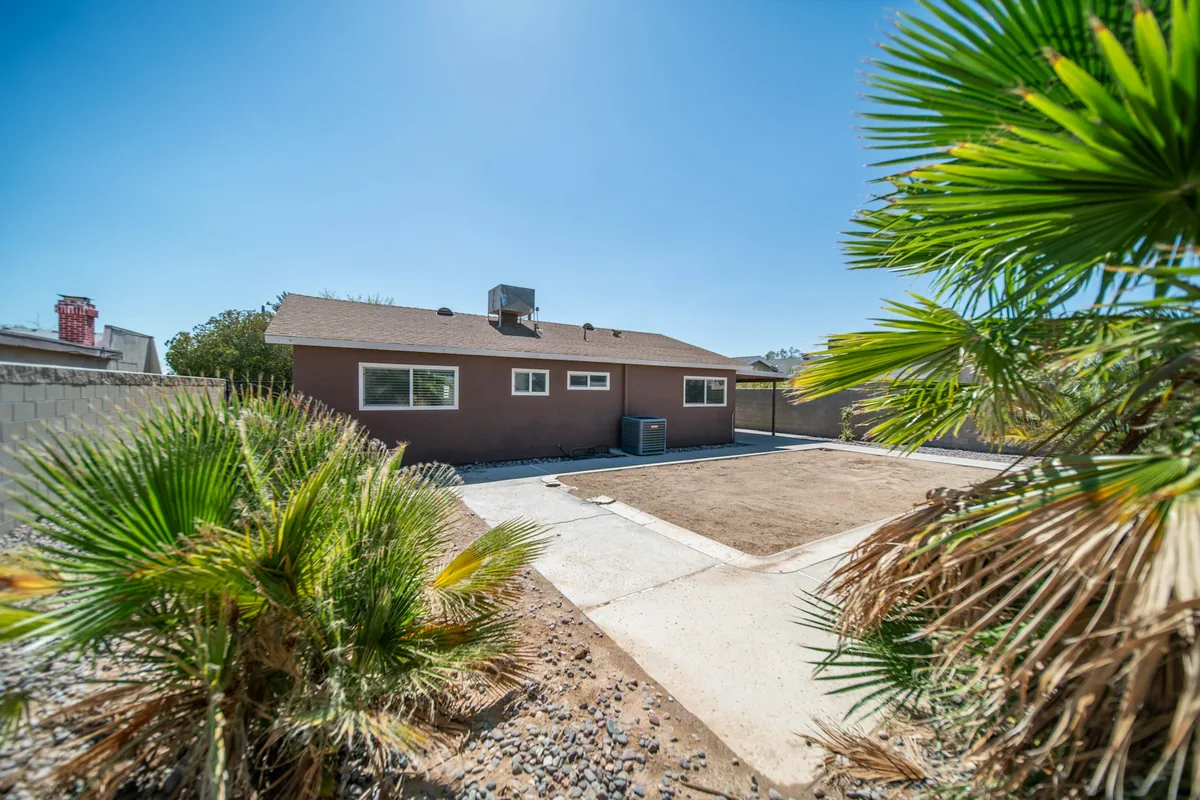
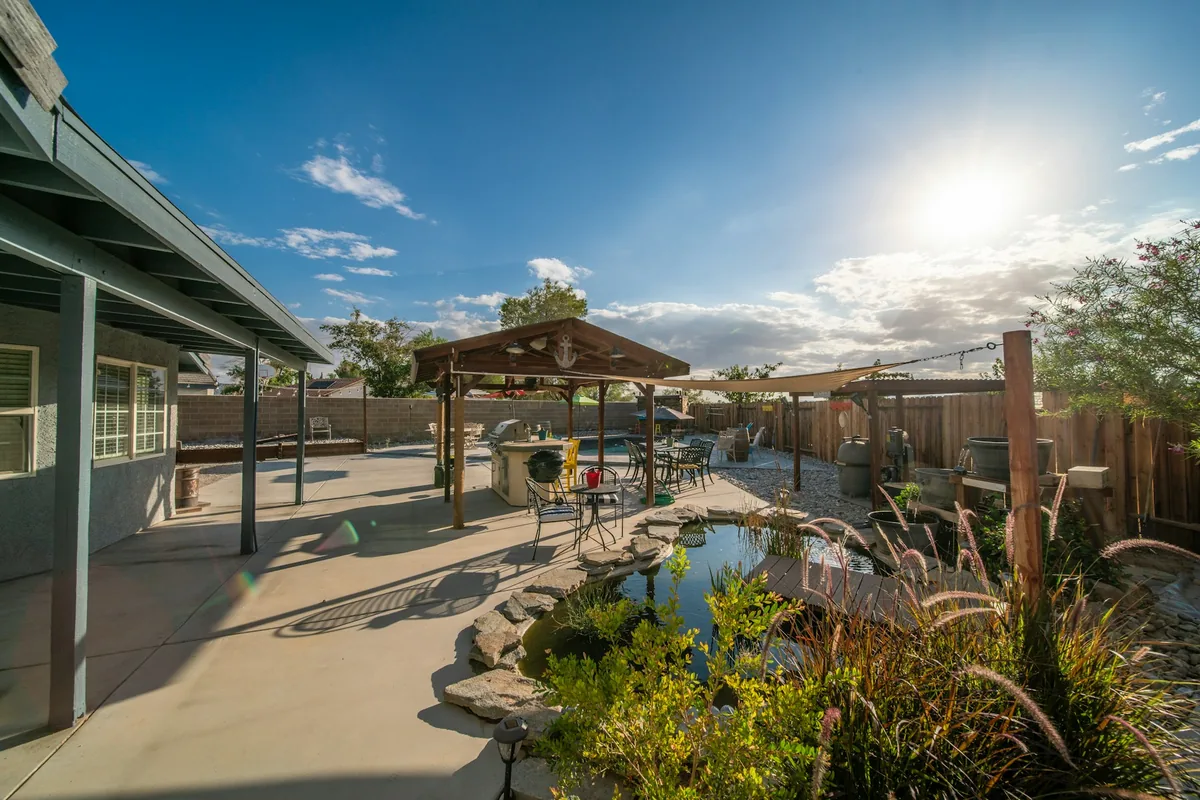
A pad is a small slab with one job; a slab is the bigger, open version. Around Murrieta homes the jobs are the same ones every tract lot grows into over time: a shed in the side yard, a spa on the back patio, the AC unit or pool equipment, trash cans off the grass, and the dirt strip beside the garage turned into something usable.
- Shed and workshop pads, sized to the building with a few inches to spare each side.
- Spa pads, level and built to the tub maker's stated load.
- AC, pool-equipment and generator pads, set clear of the house wall for service.
- Side-yard slabs for bins, bikes and storage, sloped toward the yard drain.
- Open slabs for a future patio cover, with footings left to the cover's own plans.
- RV and trailer pads, covered on the driveway extension and RV pad page.
Slab thickness and steel by use
The build follows the load, as the table shows. The residential code's minimum for a concrete floor slab inside a building is 3½ inches (R506.1, the same figure in California's version), but building slabs are poured to the approved plans, not to a rule of thumb.
| Use | Thickness | Steel and base |
|---|---|---|
| Shed, spa, AC or equipment pad | 4 in | Wire mesh, compacted base |
| Side-yard or patio slab | 4 in | Mesh or fiber, base, 2% fall away from the house |
| RV, trailer or truck pad | 5 to 6 in | Rebar grid, thicker base |
| Floor of a garage, room or accessory unit | Per approved plans | Building permit; base course and vapor retarder per code |
Thickness practice from HomeGuide and concreteslabcost.com (2026); CRC R506 for slabs that are part of a building; CRC R401.3 for the 2 percent fall within 10 ft of the house.
Building a slab on Murrieta ground
Clay, loam and what the base does
The ground under a slab here ranges from free-draining Ramona sandy loam to expansive clays such as Porterville, and the USDA survey puts roughly one point in nine across Murrieta on a soil rated high for shrink-swell. On those, the slab is only as good as the base: dug deeper, rebuilt with compacted base rock, kept evenly moist before the pour and graded so roof and irrigation water can't pond against the edge. The clay soil guide shows how to look up your lot.
Joints that keep cracks in line
Concrete shrinks as it dries, so a slab that is never jointed cracks where it likes. The National Ready Mixed Concrete Association's guidance is joints at 24 to 36 times the slab thickness, about 10 feet on a 4 inch slab and never more than 15, with panels close to square and no longer than 1½ times their width. For common Murrieta pads that works out like this:
| Slab | Joints | Panels |
|---|---|---|
| 10 x 12 shed pad, 4 in | None needed | One 10 x 12 panel: inside the 15 ft limit, 1.2 to 1 |
| 12 x 20 slab, 4 in | One joint across at 10 ft | Two 12 x 10 panels |
| 16 x 24 slab, 4 in | Joints at 8 ft each way | Six 8 x 8 panels |
| 20 x 20 slab, 4 in | One joint each way at 10 ft | Four 10 x 10 panels |
| 10 x 40 RV pad, 6 in | Joints about every 13 ft | Three 10 x 13.3 panels (spacing up to 15 ft at 6 in) |
Worked from NRMCA Concrete in Practice 6, Joints in Concrete Slabs on Grade: spacing 24 to 36 times the thickness, 15 ft maximum, length no more than 1.5 times width; groove depth one quarter of the slab.
How a pad gets poured
- 1Size it to what sits on it
Shed footprint plus a few inches each side, the spa maker's pad dimensions, or the AC unit with service clearance, and a check on whether a permit applies.
- 2Dig to firm ground
Topsoil and roots come out; soft or clayey ground is dug deeper and replaced with base rock compacted in lifts.
- 3Form, slope and reinforce
Forms are set level for a shed or spa, or with a slight fall for an open slab, and mesh or rebar goes in at mid-depth.
- 4Pour and finish
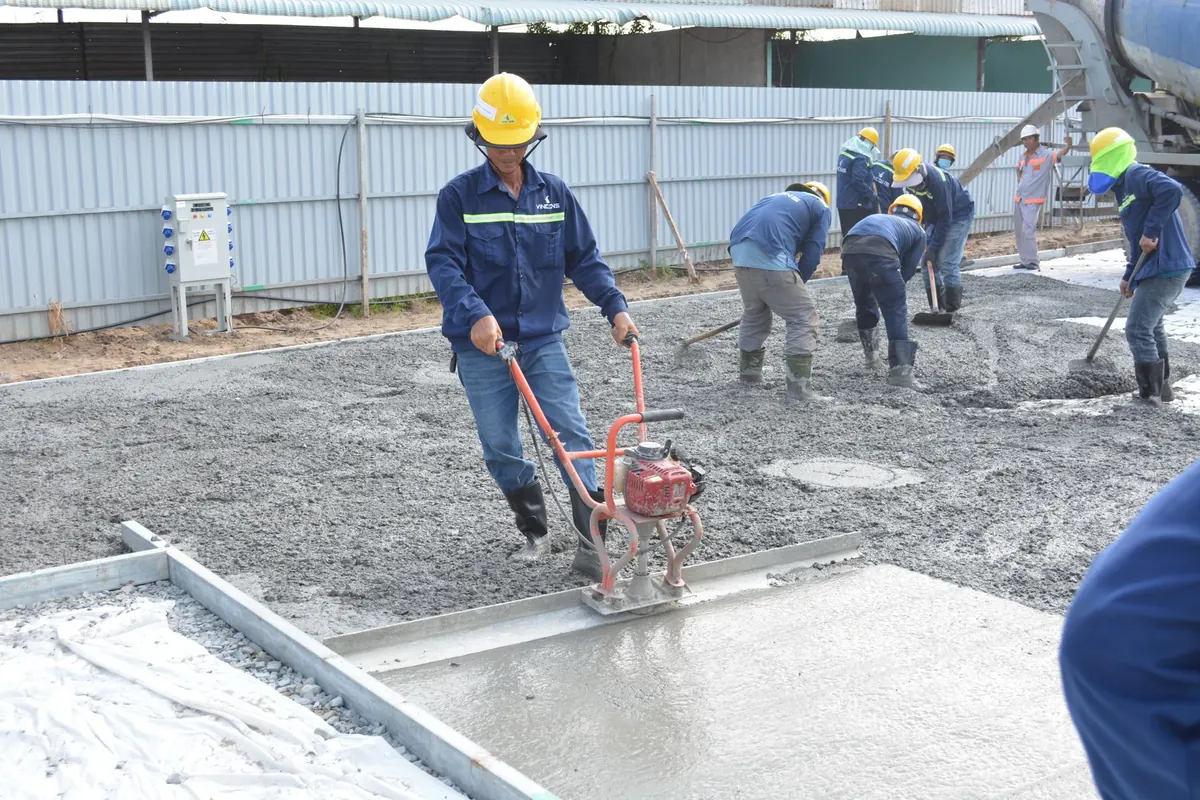
The slab is placed, struck off, floated and broom- or trowel-finished, with control joints placed so panels stay near square.
- 5Cure before the load
The slab is kept moist or sealed with curing compound for at least three days; sheds and spas go on once the concrete has gained strength.