Concrete patios in Murrieta CA: the usual builds
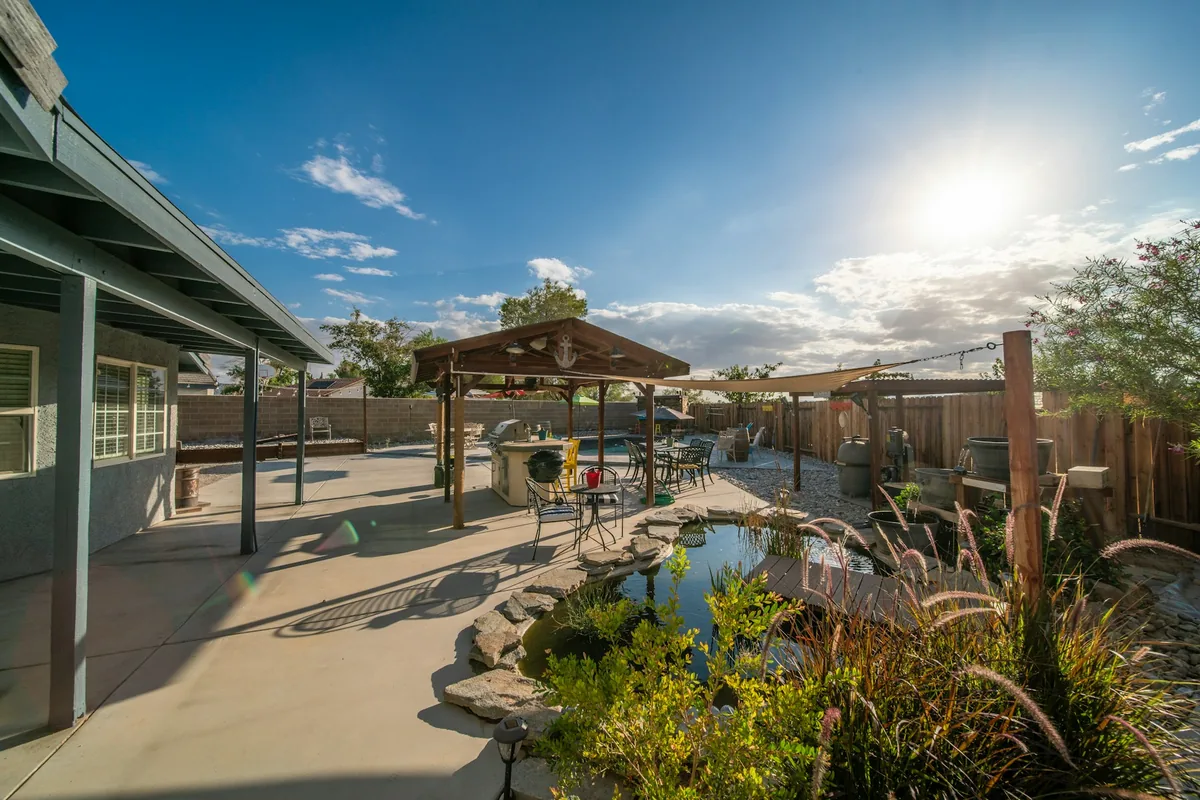
Plenty of Murrieta houses were sold with a narrow slab outside the slider and a bare backyard, and the patio is where the yard starts to get used. Most patios here are one of these:
- A broom-finished patio across the back of the house, sized for a table and chairs.
- The floor under a new or existing patio cover, with room left for the cover's footings.
- A plain field with a stamped or exposed aggregate border, for the look at a lower price than stamping it all.
- A wraparound patio that turns into a side-yard path to the gate.
- A step-down patio on a sloped lot, with a short run of poured steps.
Concrete patio prices in Murrieta by size
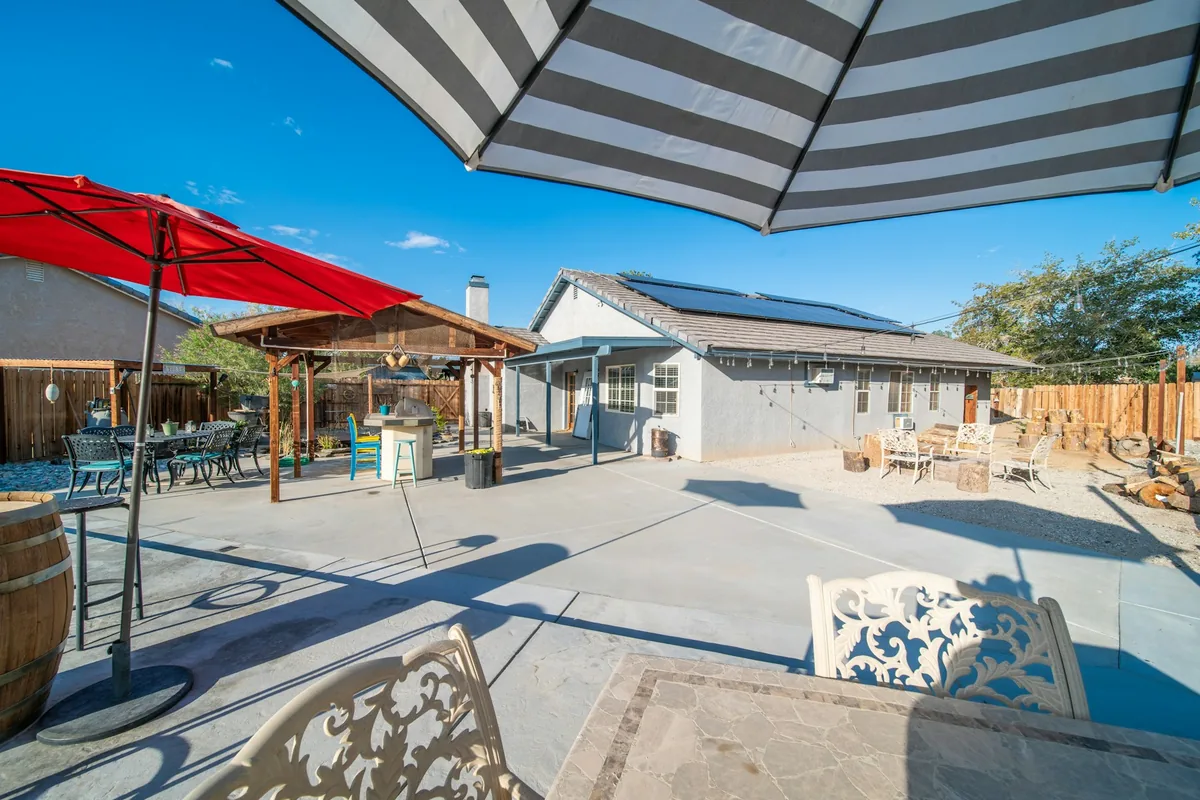
Patios price mostly by area and finish. HomeGuide's 2026 size table gives both a plain and a decorative column, and concreteslabcost.com's model adds the 12 x 20 size many backyards use.
| Size | Plain concrete | Stamped or stained |
|---|---|---|
| 10 x 10 (100 sq ft) | $400 to $1,200 | $800 to $3,000 |
| 12 x 12 (144 sq ft) | $600 to $1,700 | $1,150 to $4,300 |
| 12 x 20 (240 sq ft), concreteslabcost.com | $1,490 to $4,160 | - |
| 15 x 20 (300 sq ft) | $1,200 to $3,600 | $2,400 to $9,000 |
| 20 x 20 (400 sq ft) | $1,600 to $4,800 | $3,200 to $12,000 |
| 24 x 24 (576 sq ft) | $2,300 to $6,900 | $4,600 to $17,300 |
| 25 x 30 (750 sq ft) | $3,000 to $9,000 | $6,000 to $22,500 |
HomeGuide concrete patio cost guide (2026) unless marked; concreteslabcost.com October 2026 model, 4 in with mesh on a stone base. Small patios carry a minimum: compare a 10 x 10 quote with the pad prices on the slab cost page. Quotes vary by site.
How much should a 20x20 concrete patio cost?
$1,600 to $4,800 plain and $3,200 to $12,000 stamped or stained, in HomeGuide's table; concreteslabcost.com's model prices the same 400 square feet, 4 inches thick with mesh, at $2,180 to $5,620 nationally and $2,330 to $6,460 at California wages.
How much does a 500 sq ft concrete patio cost?
About $2,000 to $6,000 plain at HomeGuide's $4 to $12 a square foot, which sits between its 20 x 20 and 24 x 24 rows. A stamped 500 square foot patio runs several times that at the upper end, which is why many owners stamp only a border.
Is 3 inches of concrete enough for a patio?
No: 4 inches is the standard patio thickness. Three inches is thinner than the 3½ inch minimum the residential code sets for a concrete floor slab, cracks more easily over Murrieta's clay pockets, and leaves little room for mesh in the middle of the slab. The only place a thinner layer belongs is a bonded overlay on a sound old slab, which is resurfacing rather than a new patio.
The house, the cover and the HOA
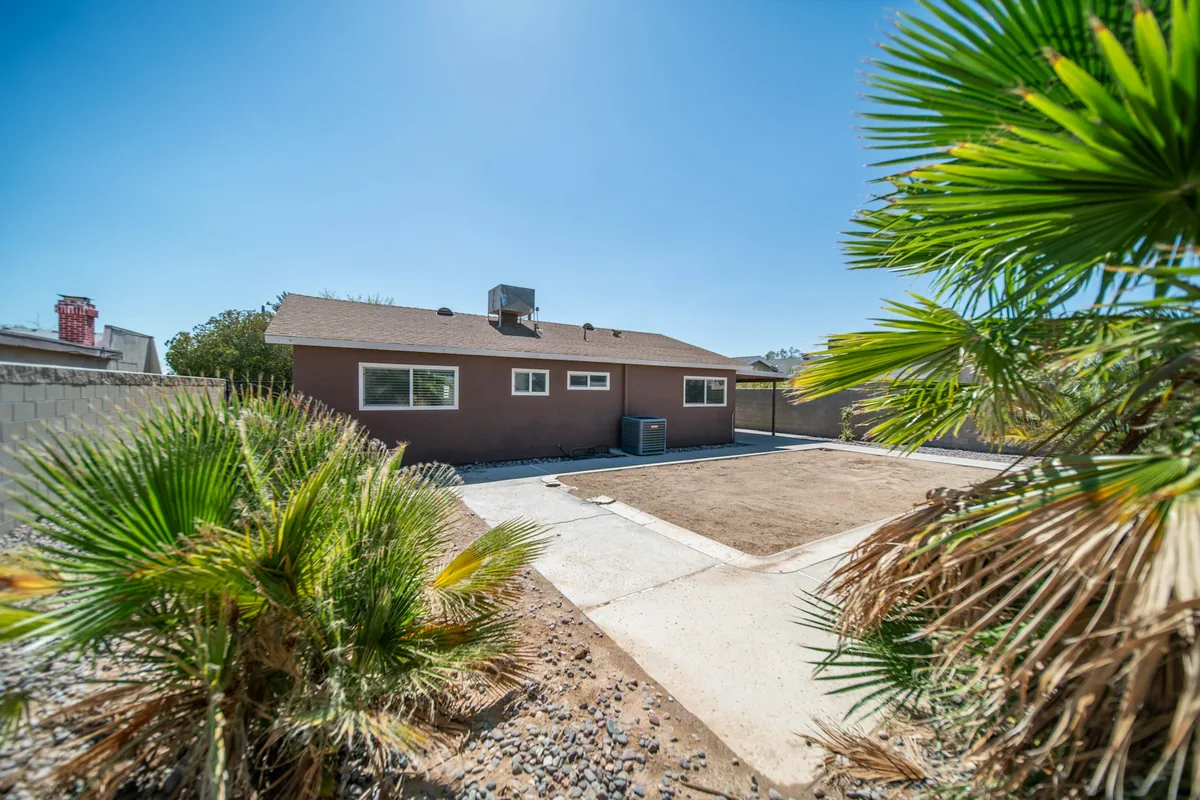
A patio poured against a stucco house has two code details to respect. Paving within 10 feet of the house has to fall at least 2 percent away from it (CRC R401.3), and the stucco's weep screed at the base of the wall has to stay at least 2 inches above a paved surface (CRC R703.7.2.1), so the patio is set low enough that the wall can still drain. A cover over the patio is its own permit with its own footings. The City's IB-131 exempts sidewalks and driveways no more than 30 inches above grade but doesn't name patios, so confirm an open patio slab with Building and Safety at (951) 461-6062. In a planned tract, the association's architectural review usually comes first; the HOA approval guide covers what to send, and the clay soil guide covers the ground.
How a Murrieta patio gets poured
- 1Lay it out from the house
Mark the patio off the slider, set the finished height below the stucco weep screed, and plan the fall away from the house and toward the yard drain.
- 2Clear and compact
Strip the turf or dirt, dig out soft spots, and compact a base under the whole slab, deeper on clay.
- 3Form and place the steel
Set forms for the shape and any border, add mesh or fiber, and leave room for future cover footings if the owners plan one.
- 4Pour and finish
Place and float the concrete, then broom it, stamp it or expose the aggregate, and cut joints so panels stay near square.
- 5Cure, then furnish
Keep it moist or under curing compound for at least three days; light foot traffic after a day, heavy furniture and grills after a week.